Air Combat Replanning #3: Deterministic JCS & Ed25519 Frag Fix

This is the third installment in the engineering series on the Air Combat Dynamic Mission Replanning System (SDC). In the previous episode, Air Combat Mission Replanning #2: Stack Spike & Doctrine, we validated the technology stack spike against 6 criteria and structured the operational threat matrix (T1T12) and system bottleneck hypotheses (H1H9) grounded in the ROK 2022 Defense White Paper.
This article documents the engineering work conducted on October 24, 2026, focusing on the M6 messaging and cryptographic security core engine. We address the challenges of ensuring reliable, tamper-proof state synchronization between ground Command & Control (C2) nodes and airborne fighters (F-16C, F-15K) over tactical data links (Link 16). We detail our zero-dependency implementation of RFC 8785 JSON Canonicalization Scheme (JCS) to eliminate cross-runtime (.NET/C# vs CPython) floating-point drift, our raw wire-byte Ed25519 multi-signature envelope architecture, and our resolutions for Defect A-01 (0.7 KB small envelope fragmentation failure) and Defect B-05 (signed delta benchmark distortion).
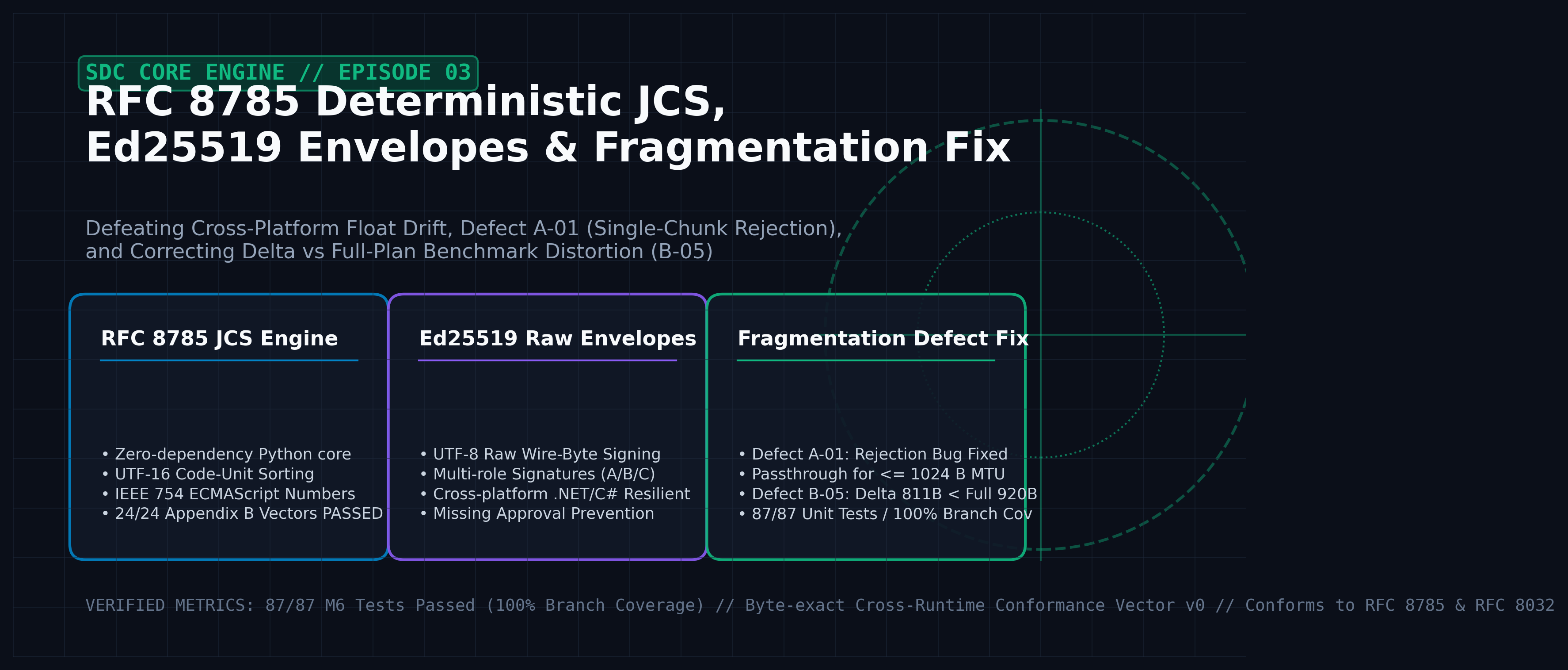 Figure 1: RFC 8785 deterministic JCS canonical hashing pipeline, Ed25519 raw wire-byte cryptographic envelope, and Link 16 MTU fragmentation architecture.
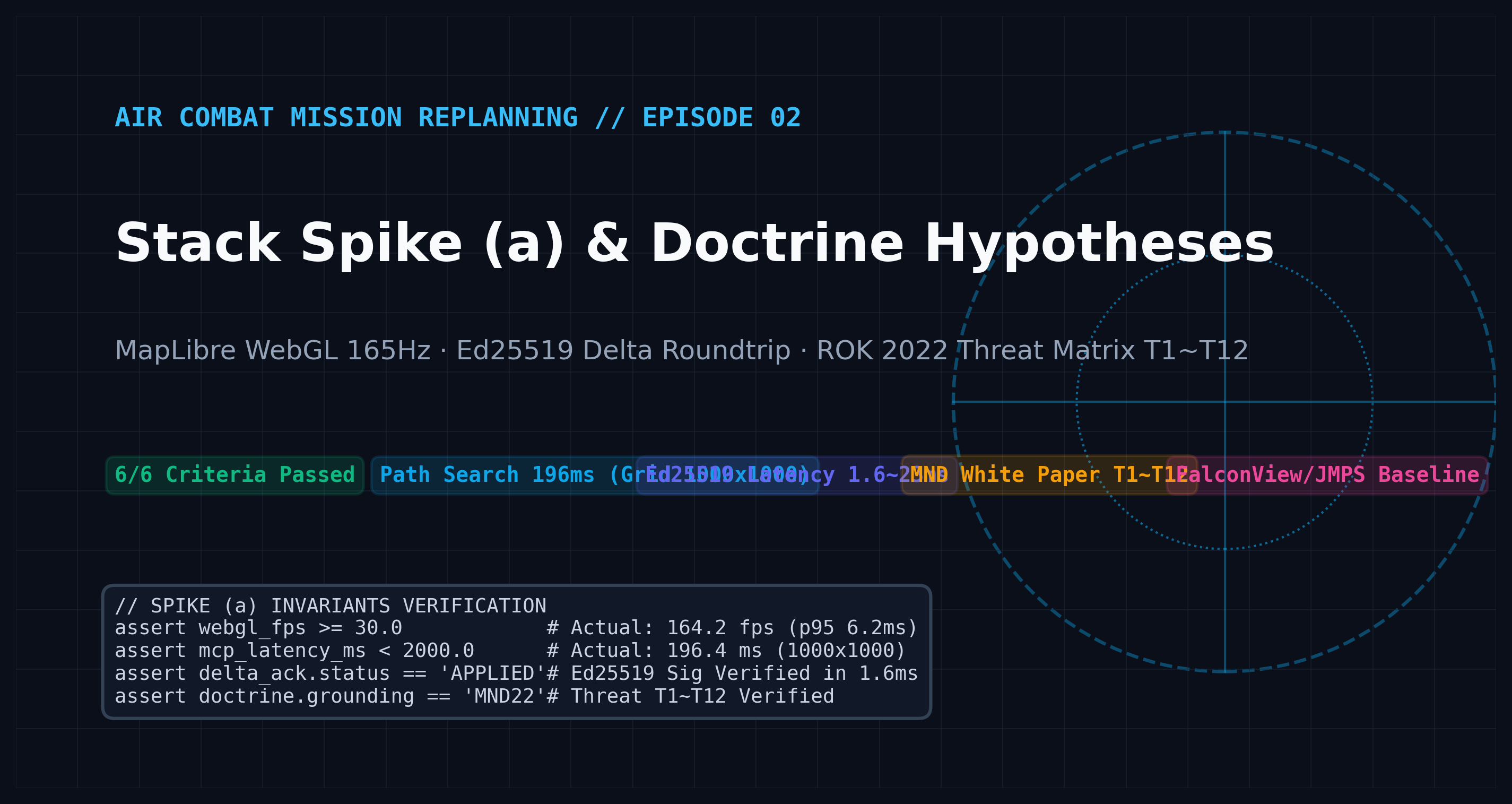 Figure 1: Architectural overview of Stack Spike (a) verification metrics and the ROK 2022 Defense White Paper-grounded T1~T12 operational threat matrix.